Winter’s Comfort Food
Pasta casseroles are a simple way to lift spirits (and make leftovers).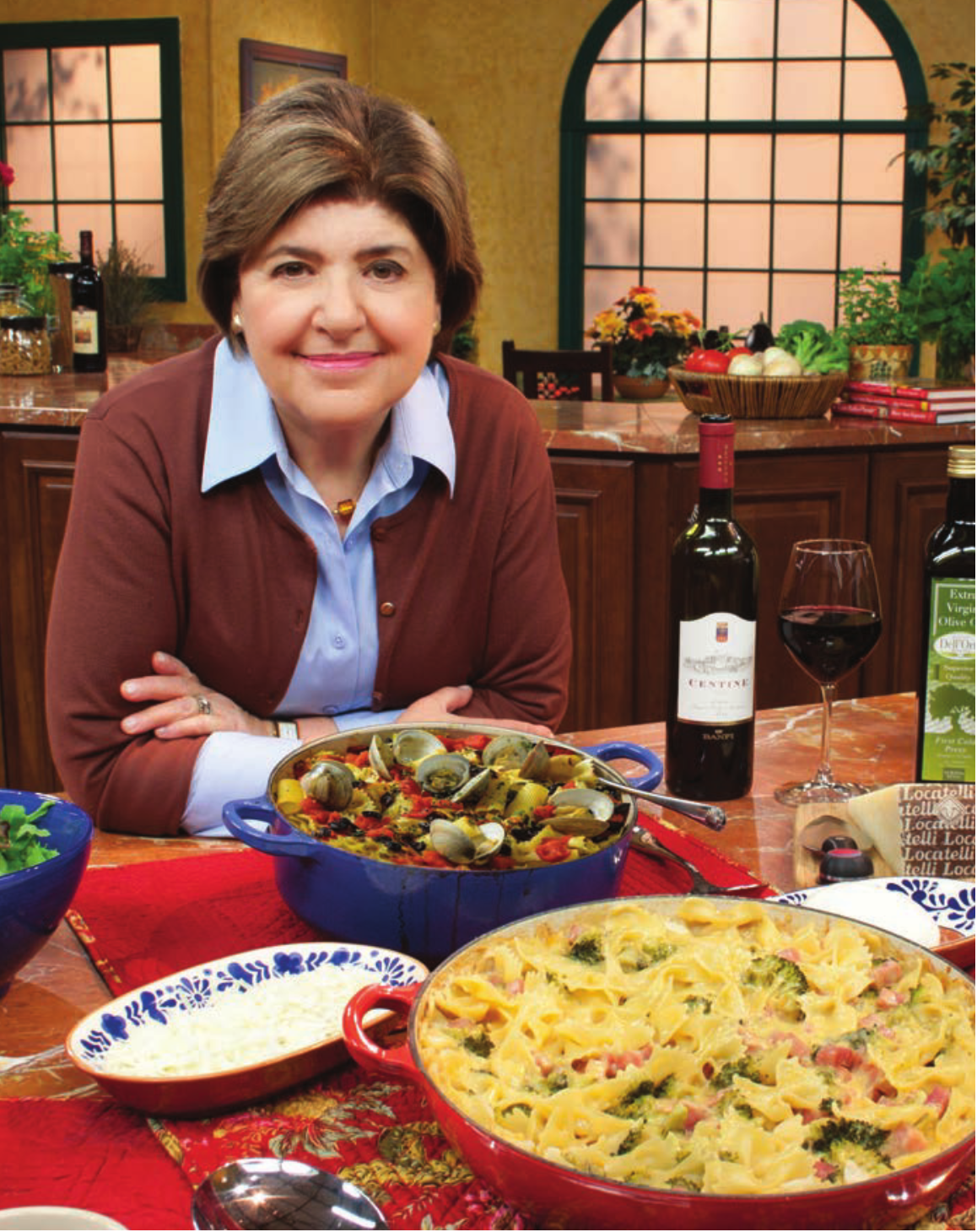
When someone asked Sophia Loren how she maintained such a gorgeous physique, she replied, “Everything you see, I owe to pasta.” Well said, because for many of us, a diet without pasta is unthinkable. It is a go-to food for quick, easy meals; it puts us in a good mood; and truth be told, it is a carb that is good for you.
Pasta, in some form, has been around for centuries. Water and flour mixed together makes a dough, or a paste, from which the word “pasta” is derived. The Egyptian, Greeks and Romans—indeed, the world at large— made pasta. Today, it is considered one of the most satisfying comfort foods and is the basis for many casseroles. Pasta casseroles define weekend suppers in my house, especially during the colder months, when a casserole can magically drive away the winter blues.
There are more than 350 types of pasta—many with endearing names, like farfalle (butterflies), fusilli (twisted pasta), orecchiette (little ears) and linguine (little tongues). Short cuts or long cuts, all pastas are ideal for casseroles because they combine well with a myriad other ingredients and sauces.
There are some important things to remember when making pasta casseroles. Because the pasta will be boiled and baked, undercook it by 4 minutes so it is still firm when added to the rest of the ingredients. Use a pasta pot with an insert for ease of draining, and always start with between 4 and 6 quarts of well-salted water to allow the pasta to expand properly while cooking. Adding oil to the cooking water is a bad idea; it coats the pasta, making it hard for sauces to adhere. If you start with enough water, pasta will never stick. Short cuts of pasta—such as ziti, penne and fusilli—are best served with chunky-style sauces. Use lighter sauces—such as garlic and olive oil, or butter and cheese—for thinner types of pasta, such as linguine or fettucine.
Enjoy pasta in moderation, and you will know exactly why Sophia Loren was right. NHH
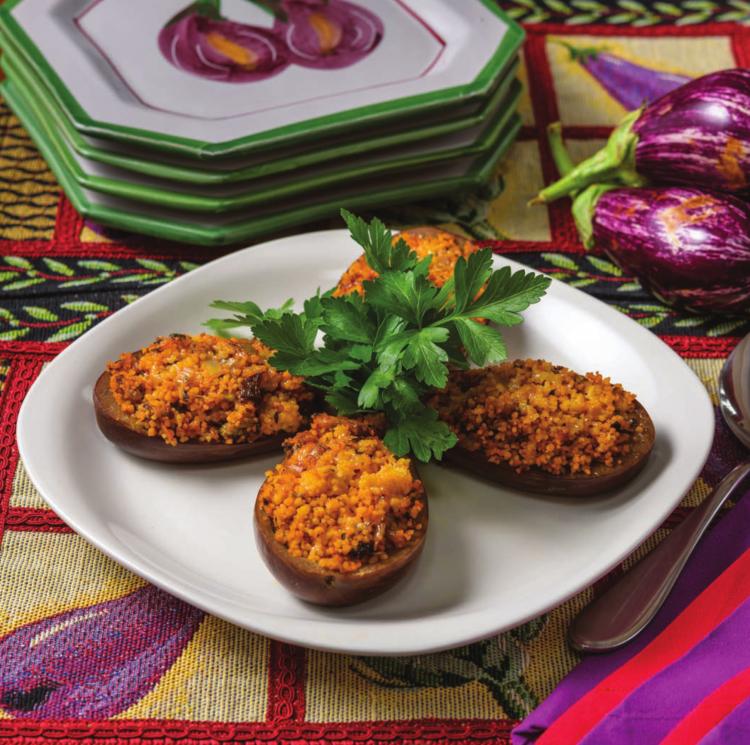
Couscous With Eggplant Serves 4
Couscous (tiny semolina pasta) is a typical Arab dish, imported into the food culture of southern Mediterranean countries more than a thousand years ago. Traditionally, Arab couscous is made with meat and vegetables. But there are many other ways to prepare couscous. This recipe uses eggplant—another food with origins in the Middle East. The eggplant shells become the “casserole dish” for this tasty entrée.
11/2 cups chicken broth
1 cups couscous Zest and juice of 1 large lemon
2 eggplants (about 8 ounces each)
1 small onion, peeled
2 cloves garlic, peeled
2 tablespoons minced parsley
3 tablespoons olive oil, plus extra for oiling pans and drizzling
1 teaspoon dried red-pepper flakes (optional)
2 tablespoons tomato paste Salt and pepper, to taste
1 cup grated, aged Pecorino-Romano cheese
1. Bring the broth to a boil in a medium saucepan. Stir in the couscous, turn off the heat and cover. Allow the couscous to absorb all the broth, then stir in the zest and lemon juice. The couscous should be fluffy and cooked. Transfer the couscous to a medium-size bowl and set aside.
2. Trim the eggplant stems and discard them. Cut the eggplant in half lengthwise. With a spoon, hollow out the eggplant, leaving at least a 1-inch-thick shell. Set the shells in a lightly oiled baking dish. Set aside.
3. Chop the hollowed-out eggplant pieces and set aside. Chop the onion, garlic and parsley together.
4. Add 3 tablespoons of the oil into a sauté pan and cook the onion mixture for a couple of minutes. Add the red-pepper flakes and tomato paste, and continue cooking for 1–2 minutes. Add the eggplant pieces and coat with the onion mixture. If the pan seems dry, add a little more oil. Cover the pan, lower the heat to medium and cook the mixture just until the eggplant is soft.
5. Preheat the oven to 350°F. Transfer the eggplant mixture to the bowl with the couscous and combine the ingredients well. Add salt and pepper to taste. Pack the mixture into the eggplant halves. Divide and sprinkle the cheese over the tops of each half, and drizzle the tops with a little olive oil.
6. Cover with aluminum foil and bake just until the mixture is heated through, about 10 minutes. Serve hot.
Recipe courtesy of ciaoitalia.com
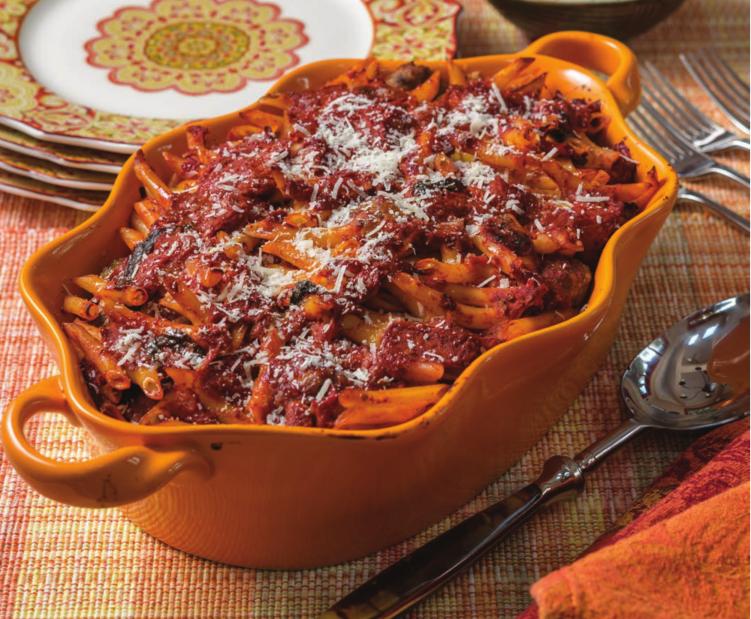
Baked Ziti Casserole With Meatballs Serves 8
One of the most popular and recognizable short cuts of tubular pasta is ziti, which means “bridegrooms.” In the south of Italy— especially in Puglia, Campania and Sicily—baked ziti casseroles have long been associated with weddings.
1 tablespoon extra-virgin olive oil, plus more for frying
1 large onion, minced
6 cups canned, crushed plum tomatoes
½ cup red wine
Salt, to taste
Ground black pepper, to taste
6 fresh basil leaves
¼ pound ground beef
¼ pound ground pork
¼ cup grated Pecorino cheese
¼ cup soft breadcrumbs
2 tablespoons minced flat-leaf parsley
1 teaspoon minced garlic
2 eggs
1 pound fresh mozzarella cheese, cut into bits, divided
1 pound ziti
1. Heat 1 tablespoon of the olive oil in a 2-quart saucepan. Stir in the onion and cook until it is very soft.
Combine the tomatoes with the wine and add to the pan with the onion. Add salt and pepper, to taste. Cook, uncovered over simmering heat, for 10 minutes. Stir in the basil. Remove from heat and set aside.
2. Mix the beef, pork, Pecorino cheese, breadcrumbs, parsley, garlic and eggs in a bowl. Make tiny meatballs the size of marbles.
3. Pour a thin layer of olive oil in a sauté pan and fry the meatballs in batches. Or bake the meatballs on a lightly oiled baking sheet at 350°F for 12 minutes. Transfer the meatballs to a large bowl and mix them with 1 cup of the tomato sauce. Mix in half of the mozzarella cheese. Set aside.
4. Cook the ziti so it remains just a bit firm; it will finish cooking in the oven. Drain the ziti and transfer it to a bowl. Toss with 1 cup of the tomato sauce and set aside.
5. Preheat the oven to 375°F. Spread a thin layer of the remaining tomato sauce in a large, heavyduty ovenware dish or lasagna pan. Spread one-third of the ziti over the sauce. Add a layer of the meatballs, reserving half.
6. Spread 1 cup of the remaining tomato sauce over the meatballs. Make a second layer like the first.
Spread the remaining ziti over the second layer and top with the rest of the sauce and mozzarella.
7. Cover the pan with aluminum foil and bake for 30 minutes. Then remove the foil and bake for 10–15 minutes longer. The top should be very crispy.
Recipe courtesy of ciaoitalia.com
Macaroni and Cheese Serves 8
Macaroni and cheese is, without question, one of those Italian-American casseroles that defines comfort food. Even Thomas Jefferson was fond of it, and he introduced it at a White House dinner. He may have imitated the English version of macaroni and cheese, which was baked in the oven with cream.
2 tablespoons unsalted butter 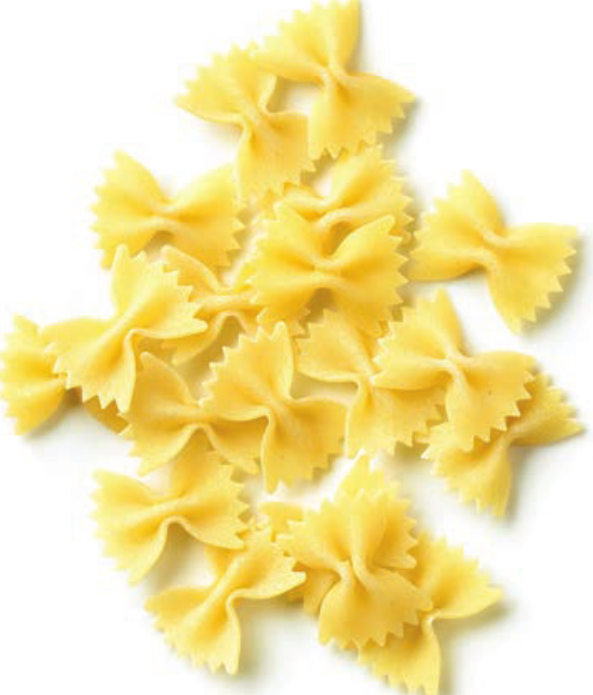
2 tablespoons flour
3 12-ounce cans low-fat, evaporated milk
1 teaspoon dry mustard
Salt, to taste
Black pepper, grinded, to taste
3 cups grated Swiss, fontina or cheddar cheese, divided
1 pound cooked bow ties, elbow or rigatoni
21/2 cups cubed ham
2 cups cooked broccoli florets, cut into small pieces
1. Preheat the oven to 350°F. Melt the butter in 10-inch-by-3-inch casserole dish or Dutch oven over low heat. Stir in the flour and whisk to make a smooth paste; do not let it brown.
2. Over medium heat, slowly whisk in the milk and dry mustard. Continue whisking until the sauce begins to thicken enough to coat a spoon. Do not make the sauce too thick.
Add the salt and pepper to taste, and stir in 2 cups of the cheese until the mixture is smooth. Turn off the heat.
3. Stir in the macaroni, ham and broccoli, and mix well. Season again if necessary.
4. Sprinkle the remaining cheese evenly over the top of the casserole. Cover and bake for 30–35 minutes. Uncover and bake for 10 minutes longer or just until the cheese forms a nice, brown crust. Serve directly from the pot.
Recipe courtesy of ciaoitalia.com
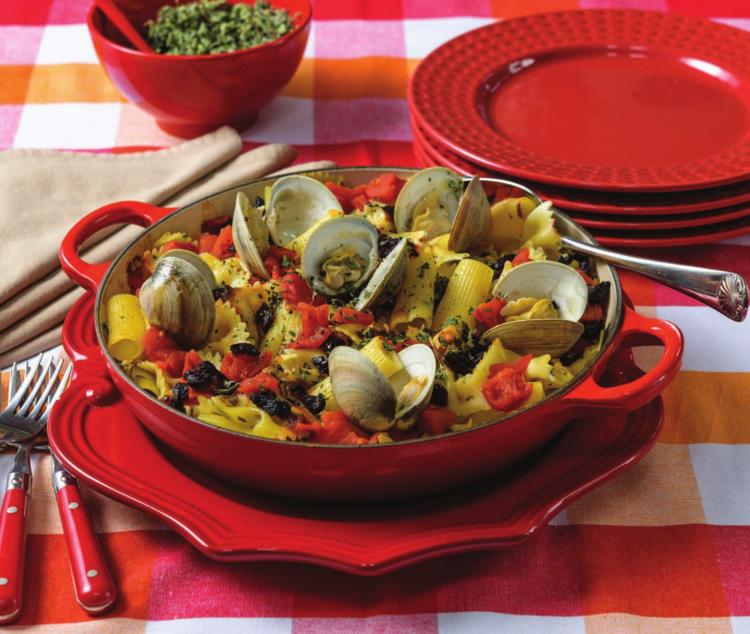
Clam Pizza Casserole Serves 4–6
How about pizza pasta? This fun-to-make rigatoni and clam dish has pizza components—without the crust and cheese. This dish is easy to put together, and it can be baked in a pizza pan, on a rimmed baking sheet, in a cast-iron skillet or in a casserole dish. Some advice about clams: cooking them over low heat will prevent them from becoming tough.
3 teaspoons and 2 tablespoons extra-virgin olive oil, divided
2 large cloves garlic, peeled and cut in half lengthwise
2 10-ounce cans minced clams, drained and liquid reserved
Fine sea salt, to taste
½ teaspoon freshly ground black pepper
¼ cup minced fresh Italian parsley leaves
2 tablespoons minced fresh basil leaves
12 ounces cooked rigatoni
4 anchovy fillets in oil, drained and cut into bits (optional)
1½ cups fresh or canned plum tomatoes, diced
8 oil-cured black olives, pitted and diced 1 teaspoon dried oregano
1. Preheat the oven to 350°F. Brush a 14-inch pizza pan with a rim, a 15-inch-by-11-inch baking sheet with a ½-inch rim, or a 13-inch-by-9-inch ovenproof casserole dish with 1 teaspoon of the olive oil. Set aside.
2. Heat 2 tablespoons of the olive oil in a sauté pan, and slowly cook the garlic over medium heat just until it starts to turn golden brown. Remove and discard the garlic. Reduce the heat to medium-low, add the clams and the reserved clam juice, and cook for 2 minutes. Stir in the salt, pepper, parsley and basil, and cook slowly until the liquid is reduced by half.
3. Combine the cooked rigatoni with the clam mixture. Spread it evenly on the pizza pan, baking sheet or casserole dish.
4. Sprinkle the anchovies (if using) over the pasta, then the tomatoes, olives and oregano. Drizzle the remaining 2 teaspoons olive oil over the top. Bake until heated through, about 15–20 minutes. Serve at once.
Recipe from “Mangia Pasta!” by Mary Ann Esposito
By Mary Ann Esposito | Photography by John W. Hession


